

Life Issues – Poverty in Elizabethan England
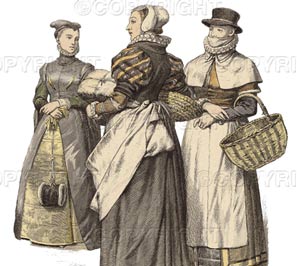
When you think of Elizabethan England, you think of castles, queens, kings, banquets, and amazing costumes. I’m sure most people wouldn’t even think about the poor of this era and how the poor were getting poorer and poorer.
During this time the population rose dramatically, and the country which relied on farming was hit by bad weather and poor harvests, people now found themselves having to share the limited resources with fewer people at more expensive prices.
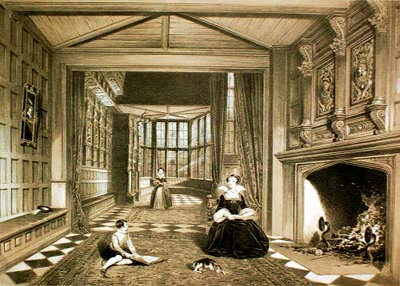
The rich still lived in magnificent houses, had amazing clothes, servants and sumptuous feats whilst more and more of the lower classes who weren’t living in the nicest of houses, were now finding themselves unable to clothe or feed their families.
Farmers who used to be able to farm pieces of land were now forced to move to the industrial towns to look for work, as larger farm units were created requiring fewer workers. Even though industrial towns were still growing there were not enough jobs for the people coming into the towns.
The standard of living began to drop with the poorer people unable to support themselves, even if they were working they were not earning enough to support their families due to the increases in food and clothing, and more and more people were forced to live on the streets or starve.
This had repercussions for the country as a whole, with more and more poor people roaming the street with nowhere to go. To try and stop this problem, the government of the time passed a strict set of laws titled “The Poor Laws”, to lessen the possible danger the unemployed and homeless could cause.
The care of the poor became the responsibility of the community. Previously, wealthier people had left money in their will to setup shelters for the poor, but as the situation had worsened, the government forced the community step in.
In the first series of acts passed, each town was required to make suitable provisions for the needy also to provide work for the unemployed. The people of the town were required to pay taxes to help support the poor and anyone who didn’t pay taxes were punished (sound a bit similar to today’s laws).
By requiring the town to provide work for the unemployed, the poor were then able to become useful within the community, and also it kept the unemployed busy.
They were so many different groups of poor, and the concern that thieves and beggar would still cause problems that a distinction was drawn between the groups of poor and the treatment they should receive. This was broken down into three groups: the deserving poor, the deserving unemployed and the undeserving poor.
The Deserving Poor
This group was made up of the elderly, children, the sick and families who had found themselves in financial trouble. These people were all considered deserving of social support, and were looked after by their towns.
The Deserving Unemployed
These people were able to make a living but they were unable to find work. At lot of labouring people fell into this group – due to the hardships of the land and unable to find work in the industrial villages they became part of the deserving unemployed. The towns by law had to provide them with work.
The Undeserving Poor
These were people who had turned to crime to make a living, beggars and migrants who roamed the country looking for work. A lot of these people were usually and were considered a danger to society and were treated as such. This was the group that the government was worried about, and as such these people were given harsh treatment. Beggars and thieves were whipped, burned through the right ear (ear-boring) or sometimes even branded with a hot iron, and if they continued they could be imprisoned or even executed. Each town had to also provide a prison for these groups. The punishments were always done in public (even the hangings). Punishments such as whipping were done in public to shame the criminal and warn others that this would happen to them if they did the same.
Each town had a workhouse – this provided “indoor” relief for the deserving poor (elderly, sick, orphaned, widows and families) giving them a place to stay, where they were looked after and fed. The workhouse also offered “outdoor” relief where they provided payments for a range of needs including clothing and food. The outdoor relief allowed people to still stay at home.
While the poor were still poor, the government managed to set up rules that help them survive and while the standard of living was still not the best, at least those in need were helped. The laws were quite advanced for their time, and you may notice that some of them are similar to today’s laws. In introducing the laws, the government was able to avert any major problems from the most unfortunate class of the Elizabethan times, whilst still helping those in need.
Join us soon for another Life Issues.