

Life Issues – Elizabethan Villages (16th Century England)
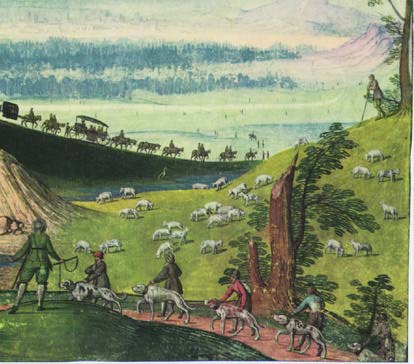
Imagine for a moment that there is no fast way of getting anywhere and that even if you could go anywhere you would have no real need.
Life for normal people in Elizabethan England was centred on the village that they lived in. They had everything that they needed there and so had no need to go outside of the village.
Most villages were at least half a day’s walk from the next and so people in each village would rely upon their neighbours for anything that they might want or need. In fact many villagers would be related in some way and cousin would often live next door to cousins. This gave a real sense of community and this was emphasised further by village fairs and markets.
There was no money in these villages and trading was the way that people got what they needed. Someone might trade a chicken for some fabric or another might trade hay for a pig for example.
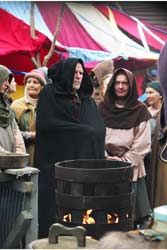
Because the majority of land was still held by the nobility, the villagers would basically live and die in the same house and this was the way for generations of people.
They had no dreams about what they could do with their lives because they knew nothing of the world outside their little villages. They had no want for land or big farms because there was no money and they were used to the way they lived – trading was just a part of it.
At times there were outsiders in the village and these visits would come in the form of travelling actors or soldiers. The villagers were untrusting of these people as who in their right mind would actually want to trudge round the country on foot?
The villagers had no interest at all in the tales that the visitors would tell of life in the big towns or overseas. What use would it have had for the villagers anyway? Nobody was bothered if the French were at war or if the price of ale was expensive in the city. The only news that would get the villagers interested was if the news involved the village directly.
Village life was simple and routine. People lived in rough buildings and had no use for the luxuries of things like lighting or entertainment. They got up at the crack of dawn and went to bed when it got dark. The day would start by checking in on the animals or clearing the fields.
The women would sit together and spin wool or sew clothing whilst they would gossip the day away. Schooling in the villages was unheard of and most of the children would either just play or help their mothers with the work.
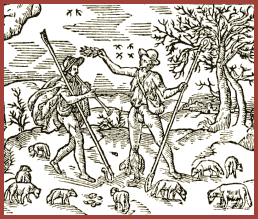
Lunch would break up the day slightly with some cheese and bread and of course some ale. Everyone drank ale. Water was far too dangerous because it was unclean. Ale was clean and therefore good for you and even young children drunk it!
After the afternoon’s work the villagers would head back to their homes and have some supper – maybe some mutton or a hedgehog pie. Then it was time to sit by the light and warmth of the fire before heading off to bed.
Superstition was rife in the villages, as there was nothing else to do other than tell stories. The health and general well-being of the village depended largely on the weather, as good crops were essential to maintain the food source. Tales would be told of strange things that would happen to the crops for example if certain rituals were not performed.
Village life was a happy one for most people because they knew of nothing else. You cannot want for something if you do not know it is there.
This changed however when more soldiers started to return from wars and settled in the countryside as did foreigners that had decided to live in England to avoid the wars that were happening all over Europe.
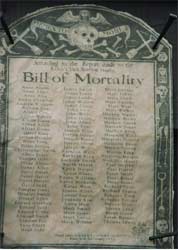
Villagers were soon sharing their lives with Spaniards and Dutchmen, and these newcomers brought with them new ways of doing things. Different ways of using medicines as well as cooking skills and farming and building methods brought about a totally different way of life for the villagers.
The fact that there was actually more to life than the villagers thought provided them with dreams and ambitions and many of them started to travel and form new lives for themselves around the country.
And village life had finally changed.
Join us soon for another Life Issues.