

The Friendly Islands
Practice what you preach
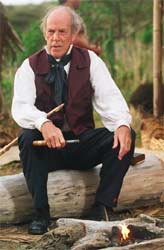
In the Friendly Islands, John Buchanan arrives on the island of Tonga, promising to impart Christian virtues upon what he regards is a “savage race.” He believes himself and his culture superior to the Tongans and believes it is his god given right to teach the Tongans the error of their ways.
Buchanan spouts the virtues of kindness and charity; in yet he does not actually illustrate these through his actions. Ironically it is the people he is wishing to indoctrinate with his Christian values that show the charity that he lacks.
It is very easy to say that you believe in something. It is a more difficult task to practice what you preach.
If we delve into history or look around at the trouble spots of the world today we see Buchanan’s error on a larger scale. Like another episode “God on our Side” people are claiming they are the more civilised or superior people. While they worship a doctrine that extols peace, they are prepared to make war.
So Buchanan talks of kindness in yet he is cruel. Some of the warring peoples we are talking about are talking of peace in yet make war. These people are not practising what they preach.
What situations could we apply this?

Maybe an advertisement on TV for a needy cause. Do we simply say “How sad” or do we actually do something about it and act.
If we see somebody who is having a hard time or sick, do we ignore it; or make time, go across to them and show friendship.
Turning the other cheek – forgiveness instead of revenge
Buchanan initially wants revenge for the killing of his friends. He feels angry and wants to see somebody pay. Jess tells him “Only the weak and afraid demand revenge.” After the kindness shown to him by the islanders (especially Tuku) Buchanan heeds Jess’ words and decides to forgive those who killed his friends.
Like Joe and Grandma in “The Good Samaritan,” Buchanan’s forgiveness is a selfless act. More good is likely to come from this gesture than if he handed the killers over to the Captain.
Swallowing your pride – admitting you are wrong
Buchanan realises the errors of his ways and publicly admits that he was wrong. He apologises to Tuku for his behaviour and decides to stay on the island and work, even when the chance to leave presents itself.
Admitting you were wrong is a very hard thing to do. But it is a way of moving on and, let’s face it, we all make mistakes. Tuku and Chief Finau recognise this in Buchanan when they call him a “brave man” at the end of the episode.
Can you think of a situation when you could have admitted that you were wrong?
Would things have turned out differently as a result?