

” False Witness,” set in Massachusetts 1692
False Witness is based on the shocking events that occurred in the strongly Puritan Village of Salem, Massachusetts in 1692.
Two years previous Samuel Parris had come to work as Minister in the village of Salem. He brought with him his wife, Elizabeth; 6-year-old daughter Betty and African slave, Tituba. Tituba was known to tell Betty and her friends tales of ‘omen and voodoo’ from her native land.
During the winter of 1692, Betty became strangely ill. She was seen running all around the house, complaining of fever and a biting sensation, and generally writhing in pain. A doctor was called in but was unable to explain her afflictions and therefore put them down to witchcraft.
Modern interpretations of the illness include epilepsy. Child abuse is also now cited as a possible cause of Betty’s behaviour.
Meanwhile, several of Betty’s friends also came down with the illness. A surge of fear and anger rose up in the village, with the public ‘hell bent ‘ on finding the witch or witches responsible.
Poor old Tituba was, of course, the first to be blamed and put on trial. Scared of being hanged, she decided to admit to being a witch. She even told stories of how she had met the devil personally and regularly spent time flying around the skies on broomsticks with several other local women. This admission only increased the general hysteria and a large-scale witch-hunt ensued.
If suspected, ‘witches’ were immediately thrown into prison. In some cases trials were set up, which would usually result in a guilty verdict and subsequent hanging. A special witch court was set up which bore little similarity to courtrooms that we know today. A lot of the evidence was just gossip shouted from the public gallery.
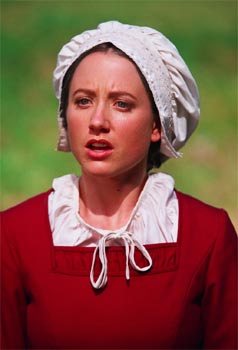
By late 1692, educated people tried to end the hysteria and through the publishing of a number of influential books, the tide of hysteria began to ebb and common sense prevailed. In October 1692, the Governor forbade further trials.
Within a few months, 19 witches had been hung to death. Hundreds more had been imprisoned. 2 dogs were killed (they were seen as the witches’ or Satan’s messengers).
What on earth possessed them?
The Salem Witch trial was outrageous atrocity. It seems inconceivable that such hysteria and knee jerk reaction should take place.
One theory of the whole saga is that the Puritan society, based on extremely strict moral standards, was undergoing a lot of change at the time. The temptation of commerce and ‘worldly goods’ was at odds with their strict religious views. Young people were becoming ungodly in the eyes of elders. The Puritans reacted to this change with guilt and fear, and started blaming ‘witches’ for their moral downfall.