
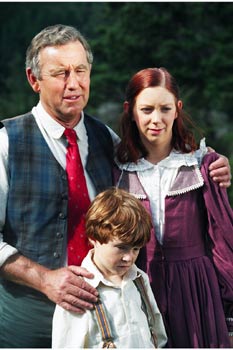

Through the Ages – The History of Fashion
Why is fashion so important? We know that clothes are important – they help keep us warm in the winter, protected from the sunshine and dry in the rain. But who dictates fashion? Why has fashion changed so much throughout history?
As Julie Andrews once sang, “Let’s start at the very beginning, a very good place to start.” But we’re going to ignore that and start at the end.
20th – 21st Century Fashion
Clothes in the Western World in 2003 are a huge mixture of fashions of old. We have a very eclectic mix and there is something to suit almost every taste and budget.
We have a resurgence of the 80’s shoulder pads and wide collared shirts and business women wearing power suits (though not as in your face as in the 80’s).
Gothics and Punks will never go away and even if someone does not follow the punk ideology many guys and gals dye their hair and wear chains and leather.
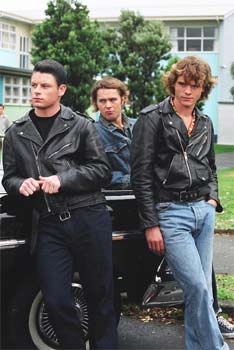
There are also more than a few rockers around complete with stone-washed denim, leather or denim jackets and a mullet or long greasy hair.
We have the 70’s inspired make-up and retro sneakers, Starsky and Hutch style cardigans and English Mod parkas making a comeback.
There are the 6o’s mini skirts and knee high boots nude lipstick and black kohl eyes, false eyelashes and peasant tops teamed with flares and hipsters, fringe belts and bags. There was also a huge outbreak of combat pants and army-style fatigues and camouflage tops.
The 50’s is here again in the style of sunglasses – many women and men wearing large framed sunnies in the style of Jackie O and. There are also twinsets at the stores and some people dress in the almost Beatnik style of jeans and black polo necks with boots or sneakers.
The early 20th century is well represented with a wide variety of articles that have been revamped such as wide legged trousers, women wearing ties and men wearing fedora style hats. Bright red lipstick also comes and goes every so often as does 20’s era hairstyles and handbags.
So the past is all here in the fashion that we wear today but what about the future? What do we see ourselves and those that come after us wearing in 50 or 100 or 200 years?
Futuristic Fashion
Actual fashion tends to change with the times because we need different items to suit different lifestyles. For example, farmers need to wear clothes that suit the farm and not tuxedos whereas businessmen need to wear corporate suits and not wellies and cardigans.
Look into the future, what do you see? Rings a bell? Yes, it’s The Tribe, another Cloud 9 production. Inhabitants of the futuristic and post apocalyptic tribeworld mark their tribes by way of clothing, hair colour and tribal markings. Is this the way that the generations after us will be dressing?
Or will they all be wearing space suits and heading off to the moon for their holidays? Perhaps they will get back to basics as people become less materialistic and more Eco friendly. Or maybe they will just stick to the eclectic range of clothing and fashion that is on offer today?
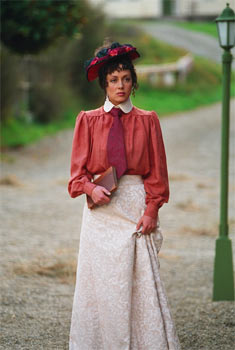
A glimpse at the not-so-distant past –
Did you know…1900
1. The period between 1900-1910 was known as the Belle Époque, or “Beautiful Age.
2. Paris was the fashion Mecca of the world.
3. Women wanted to look like Irene, the wife of artist Charles Dana Gibson who drew sketches of her. She was known as the Gibson Girl and popularised tiny waists, hair piled high on the top of the head and an independent modern attitude.
4. There was a preference for small feet in this era and people would wear shoes that were a size too small or even amputate their smallest toe so that the foot would become narrower. Small, narrow feet were meant to show gentility and good breeding in both men and women of the era.
5. The dress style of this era saw women wearing long gowns with pinched waists and a V-neck top with plenty of lace and trimmings.
6. Men wore suits with long-line jackets and high necked shirt collars with cravats.
7. The correct length for a men’s raincoat was 48 inches.
8. The dress in this period was conservative but ‘frippery’ was allowed for college students and other such younger people.
9. Greys and blues dominated men’s clothing.
10. Children were dressed quite formally with plenty of frills and bows, smart button shoes and high collars with cravats for the boys.
Join us soon for another look at fashion through the ages.